

Why Spiritual Tourism in India Is Growing Rapidly in 2026

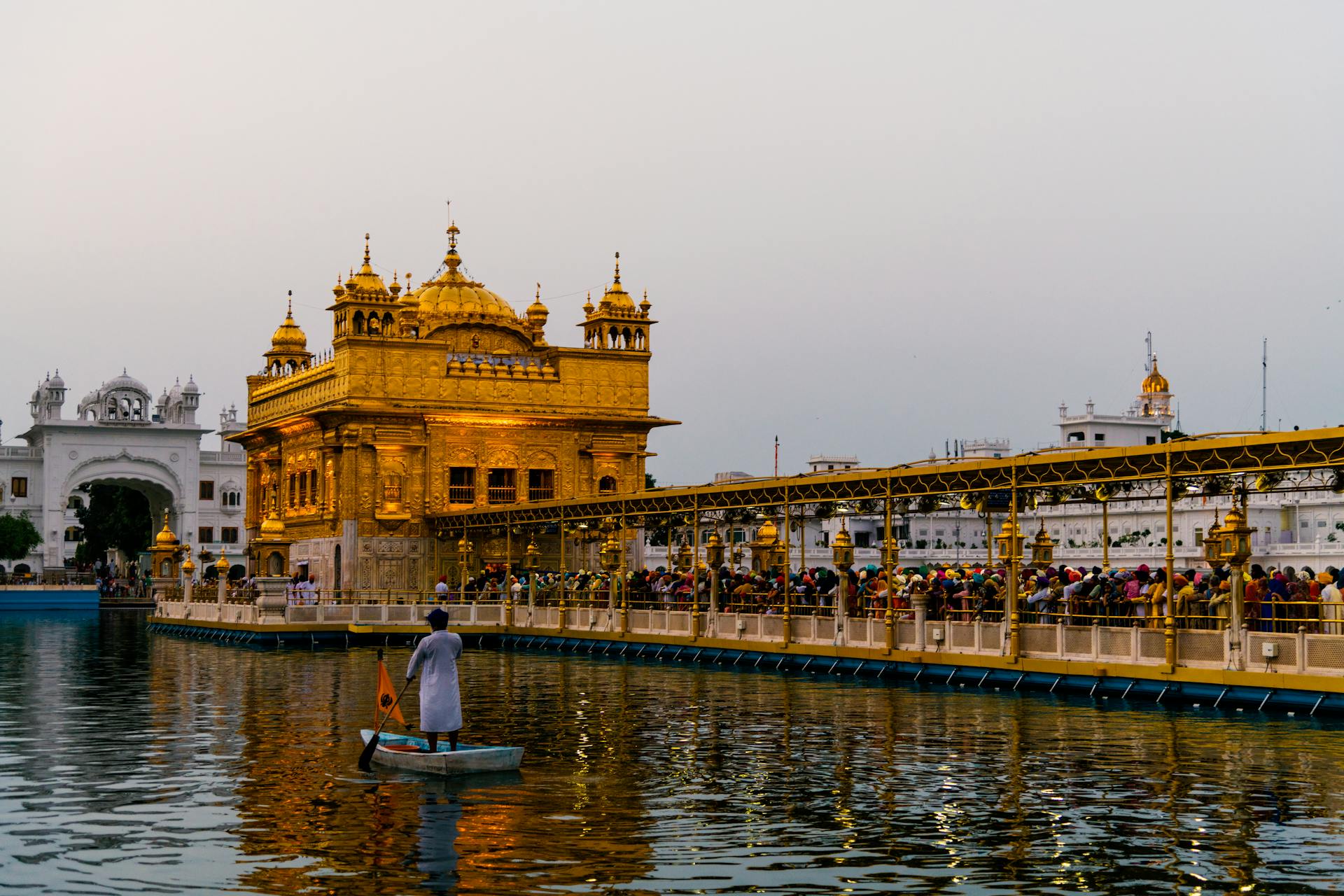
India has always been a land of faith, devotion, and sacred journeys. From the ghats of Varanasi to the Himalayan shrine of Kedarnath Temple, millions of devotees travel each year seeking blessings, peace, and spiritual fulfillment. But in recent years, spiritual tourism in India has grown at an unprecedented pace — and 2026 is witnessing a remarkable surge.
So what is driving this transformation?
1. Renewed Interest in Pilgrimage and Faith
After years of fast-paced lifestyles and digital overload, many people are turning toward spiritual experiences for mental clarity and emotional stability. Pilgrimages to destinations like Ayodhya, Mathura, and Haridwar are no longer limited to elderly travelers. Young families and even solo travelers are choosing spiritual journeys as meaningful travel experiences.
Faith-based tourism today is about reconnecting — with tradition, culture, and inner peace.
2. Improved Infrastructure and Accessibility
Major pilgrimage sites now offer better roads, improved accommodation facilities, and organized temple management systems. Developments around places like Kashi Vishwanath Temple and the Ram Mandir in Ayodhya have significantly enhanced the overall travel experience.
With smoother connectivity and improved facilities, devotees can now complete yatras comfortably and safely.
3. Rise of Organized Spiritual Tour Packages
Earlier, pilgrimage planning involved multiple uncertainties — transport issues, accommodation problems, and darshan coordination challenges. Today, structured tour packages covering destinations such as Char Dham, the 12 Jyotirlingas, Braj Bhoomi, and Jagannath Puri make the process seamless.
Organized tours ensure:
-
Pre-booked accommodations
-
Planned temple visits
-
Reliable transportation
-
Transparent pricing
-
On-ground support
This convenience is encouraging more families to undertake longer spiritual circuits.
4. Spiritual Travel as a Family Experience
Spiritual tourism is no longer viewed as a routine ritual. It is becoming a family bonding experience. Visiting sacred destinations together, attending Ganga Aarti, participating in temple rituals, and exploring heritage sites create lasting memories across generations.
Destinations such as Puri and Rishikesh offer both devotional and scenic experiences, making them suitable for all age groups.
5. Search for Inner Peace in a Fast-Paced World
Modern life often brings stress and constant pressure. Spiritual journeys provide a pause — a space to reflect, pray, and reset. Whether it is the calm atmosphere of river ghats or the serenity of Himalayan temples, these destinations offer something beyond sightseeing.
Pilgrimage is increasingly being seen as a journey inward, not just a journey across locations.
Final Thoughts
Spiritual tourism in India is not just growing — it is evolving. Better infrastructure, organized travel services, renewed devotion, and the desire for meaningful experiences are shaping this trend.
For many travelers, a yatra is no longer just about visiting temples. It is about finding peace, strengthening faith, and creating memories that last a lifetime.
If you are planning your next spiritual journey, choosing a well-organized tour ensures that your focus remains on devotion while every logistical detail is handled professionally.